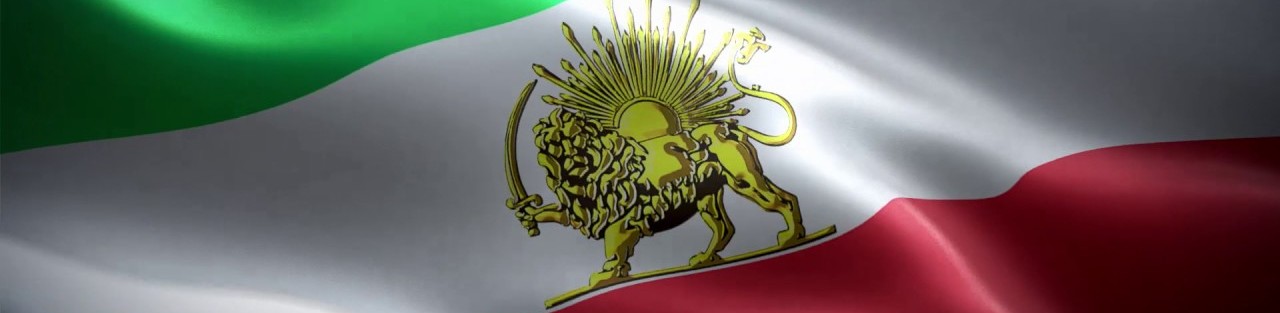
Does Iran have a plan for a successor to Khamenei?
Wed 30 Dec 2020Recent rumors regarding a decline in Supreme Leader Ayatollah Ali Khamenei’s health have led to renewed speculation about who will succeed him.
- 7106
Recent rumors regarding a decline in Supreme Leader Ayatollah Ali Khamenei’s health have led to renewed speculation about who will succeed him.
Ambassadors for France and other European countries pulled out of a business forum planned to start Monday with Tehran’s foreign minister, which has now been canceled, amid international outcry over the execution of journalist Rouhollah Zam.
It is not yet clear how the November 27 killing of senior scientist Mohsen Fakhrizadeh on a road outside of Tehran will affect Iran’s nuclear program. But coming after other successful attacks, which Iran has linked to Israel, the killing has spurred calls in the regime to reform internal security structures, as well as opposing views on whether to avenge Fakhrizadeh’s death.
The Iranian authorities deliberately shut down the internet during nationwide protests in November 2019, hiding the true scale of unlawful killings by security forces, Amnesty International said today.
When I was in the first grade, I had two nieces who are one and three years younger than I am. Their 24 years old father died in an accident so my 20 years old sister and her children were mourning for him. We spend a lot of time together. The kids can enjoy playing even in a sad time like all Syrian or Yemeni children who play and laugh under the bombing. The death of my sister's husband was the beginning of a new world for me with my nieces.
Iran's supreme leader mocked America's presidential election Tuesday in a televised address, quoting President Donald Trump's own baseless claims about voter fraud to criticize the vote as Tehran marked the 1979 U.S. Embassy hostage crisis.
In 1988, the Supreme Leader of the Islamic Republic of Iran, Ayatollah Khomeini, issued a secret fatwa (a religious edict) ordering judicial authorities to execute between 4,500 and 5,000 political prisoners. The inmates were men and women, young and old who had been arrested over the previous ten years for their dissident views or participation in street demonstrations. Some were teenagers at the time of their arrest.
In prison, I tried to think about good things like interesting memories and sweet experiences, and to reassure myself that these days are passing and I can make good memories again; I will eat the food I like or go where I like, I will live with the people I love, etc.
Kylie Moore-Gilbert, the British-Australian academic who has been detained in Iran for the past two years, has been moved from the notorious desert prison of Qarchak to an unknown location.
Who shall guard the Guards? At the start of the campaign for next summer’s presidential election, Iran faces the militarization of its political institutions. The strongest candidates to replace President Hassan Rouhani in June come from the Islamic Revolutionary Guard Corps, the country’s most muscular military arm.